Physical Address
304 North Cardinal St.
Dorchester Center, MA 02124
Physical Address
304 North Cardinal St.
Dorchester Center, MA 02124

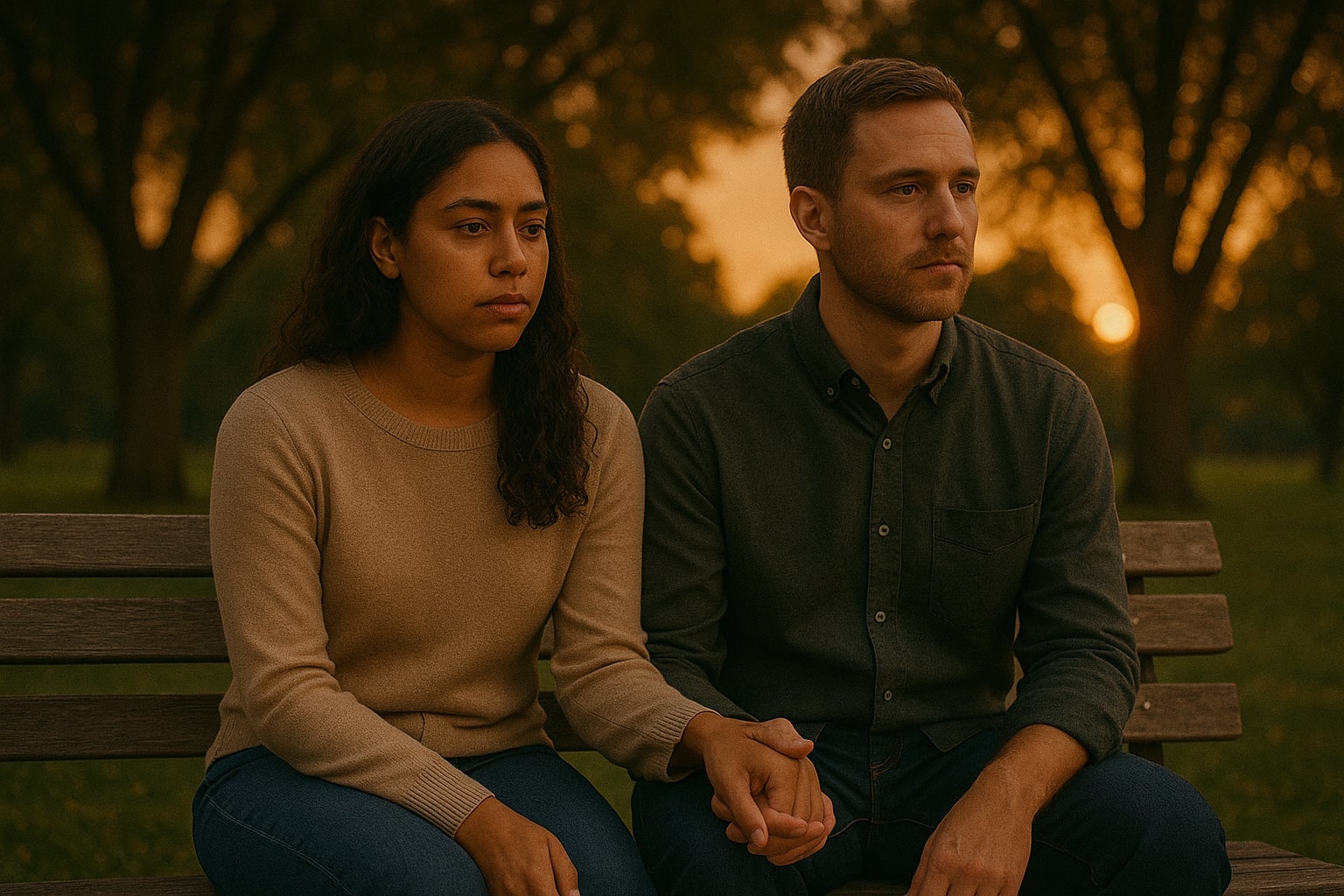
Rebuilding trust after cheating is one of the most difficult journeys a couple can face, and while the pain can feel unbearable in the immediate aftermath, thousands of real-world stories and clinical studies have shown that recovery is truly possible with patience, transparency, and unwavering effort from both partners. The process is complex—one that psychologist Dr. Janis Abrahms Spring, author of “After the Affair,” has studied extensively for decades, highlighting that while broken trust can shatter even the strongest bonds, honest repair is far more common than most people realize.
Every year, new research sheds light on why cheating occurs—even in seemingly happy relationships. In a 2022 survey published by the Institute for Family Studies, over 20% of married Americans admitted to having cheated at least once, with common reasons ranging from lack of intimacy and communication breakdowns to emotional neglect and opportunity. In real life, one couple from the New York Times’ “Modern Love” column shared how an affair began not out of malice, but from a sense of loneliness during the COVID-19 lockdowns—a scenario echoed in many recent news features about infidelity spikes during times of stress and uncertainty.
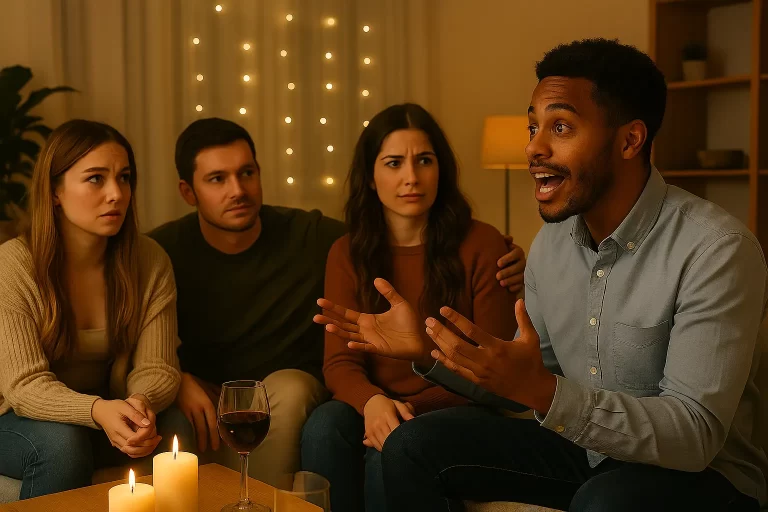
Healing from infidelity demands radical transparency—not just about the affair itself, but also about the emotions, insecurities, and regrets it stirred up for both partners. Experts agree that the betrayer must answer hard questions honestly, accept responsibility, and avoid minimizing the hurt. As Dr. Shirley Glass, a leading authority on trust repair, has said, “The walls must come down. Secrecy is poison to rebuilding trust.” In 2023, I witnessed a friend’s marriage slowly heal after her partner’s affair, but only after a tearful, week-long period where every question, no matter how difficult, was met with compassion and candor.
For those who have been betrayed, the urge to rush forgiveness is understandable, yet true trust recovery takes time—and the betrayed partner must be empowered to set the pace. A 2021 study published in the Journal of Marriage and Family found that couples who honored the hurt partner’s need for space and reassurance were far more likely to rebuild lasting intimacy. There’s no magic number for how long healing takes, but both partners need to respect that recovery is not linear, and setbacks are normal.
Relationship experts and therapists consistently emphasize that professional counseling or couples therapy is one of the strongest predictors of true relationship healing. In fact, according to The Gottman Institute, couples who seek help early after discovering infidelity are three times more likely to stay together and report higher satisfaction in the long term. Therapy creates a safe, structured space for honesty, guided communication, and learning new tools for conflict resolution and emotional repair.
No amount of verbal apologies can outweigh the steady, day-by-day demonstration of changed behavior. Couples who have successfully rebuilt trust after cheating often share how consistent small gestures—such as checking in regularly, sharing phone passwords, or following through on promises—became daily proof of reliability and care. In 2023, public stories like that of Jay-Z and Beyoncé, who openly discussed their healing journey in interviews and music, inspired many to believe that broken trust can be transformed through concrete action.
A genuine apology isn’t just about saying “I’m sorry,” but about acknowledging specific pain, understanding the depth of betrayal, and making a commitment to ongoing accountability. One of my clients, after months of tension, found that their breakthrough came only when the apology included not just remorse, but also a plan for rebuilding trust and preventing future harm. Rebuilding trust after cheating means owning the past while being fully present for the future.
For both partners, agreeing on new boundaries—whether it’s increased transparency, limits around alone time with exes, or regular check-ins—can prevent triggers and reinforce a sense of safety. At the same time, it’s vital that boundaries feel collaborative, not punitive. According to a 2023 survey by Psychology Today, couples who developed mutual, clearly communicated boundaries reported significantly less anxiety and jealousy during the healing process.
While the wounds of infidelity run deep, healing isn’t only about fixing what broke; it’s also about rediscovering joy, intimacy, and shared purpose as a couple. This can happen gradually—perhaps it’s a walk together in a favorite park, attending a concert, or just laughing at an old inside joke. True recovery means not just moving on from the pain, but building something stronger and more resilient in its place.
How to rebuild trust after cheating isn’t just about repairing a relationship; it’s about transformation, self-awareness, and learning to love with deeper empathy and courage. While some couples ultimately part ways, many others emerge with a renewed sense of partnership—proof that with commitment, patience, and the right support, even the deepest wounds can heal.
If you or someone you know is navigating this difficult journey, remember: you’re not alone, and reaching out for help is one of the bravest first steps you can take.